
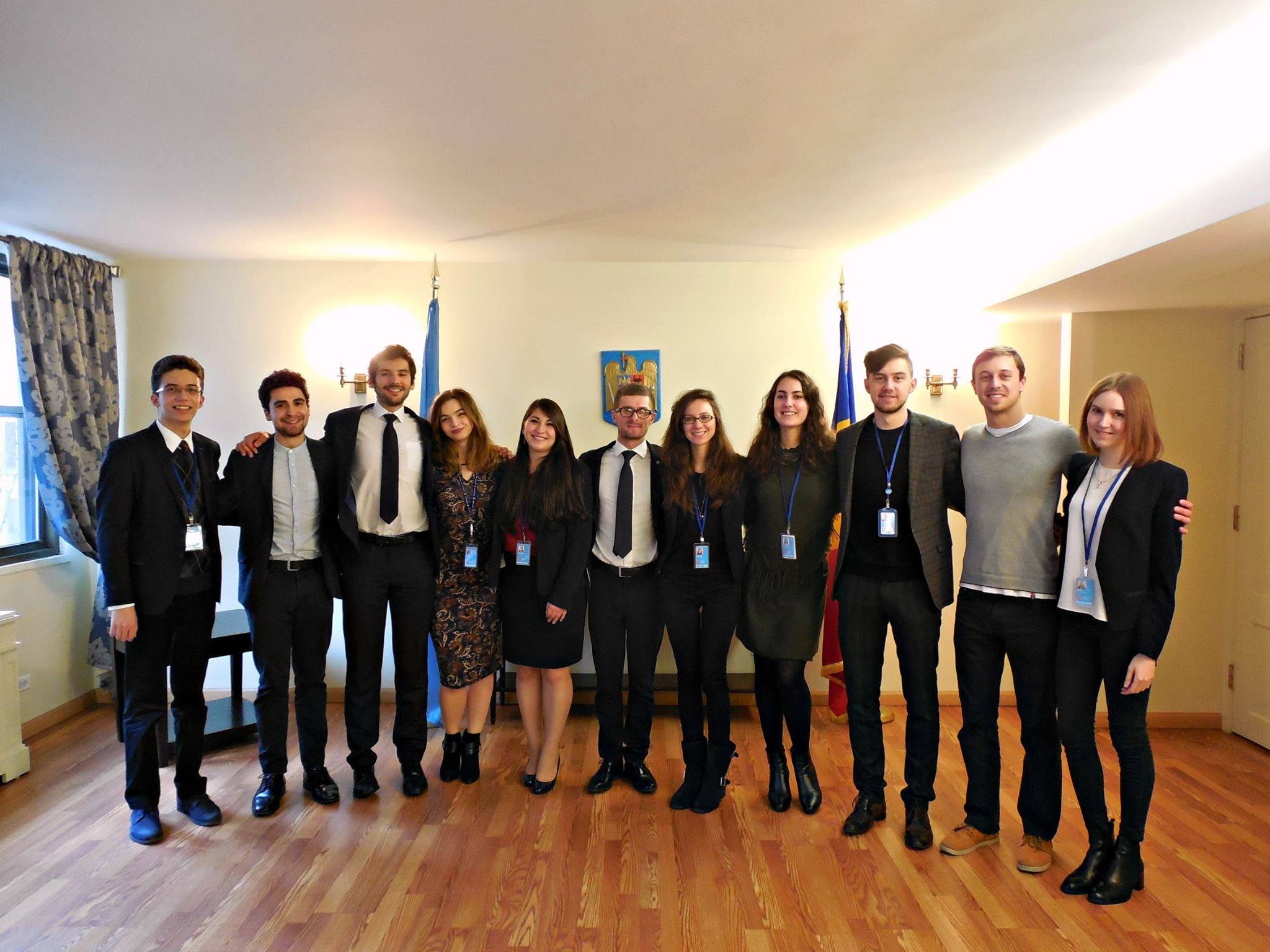
At the UN, there is plenty activities outside the formal programme, including side events. Those are events on specific topic organized by national permanent missions to the UN, NGOs, UN Agencies and even youth delegates. During our work at the UN Head Quaters in February, we attended a couple of side events ourselves.
One of the most informative side events was held by Romanian and Bulgarian youth delegates and dedicated to the issue of NEETs.
NEETs is an abbreviation for “youth not in employment, education or training”. This category has been getting much attention from the UN and organizations dealing with youth lately. The reason is, according to social studies, NEETs are a highly vulnerable group of population; they are 20 times more likely to commit a crime and 22 times more likely to become a teenage parent.
During the event, different ways to reduce the number of NEETs were discussed. Apparently, Ukraine’s NEETs rate is at 15% – and that is not bad at all. The rate is similar to Israel and quite close to the EU’s average of 13%. For comparison, rates of Turkey and Georgia linger at 25%, Egypt – around 35%.
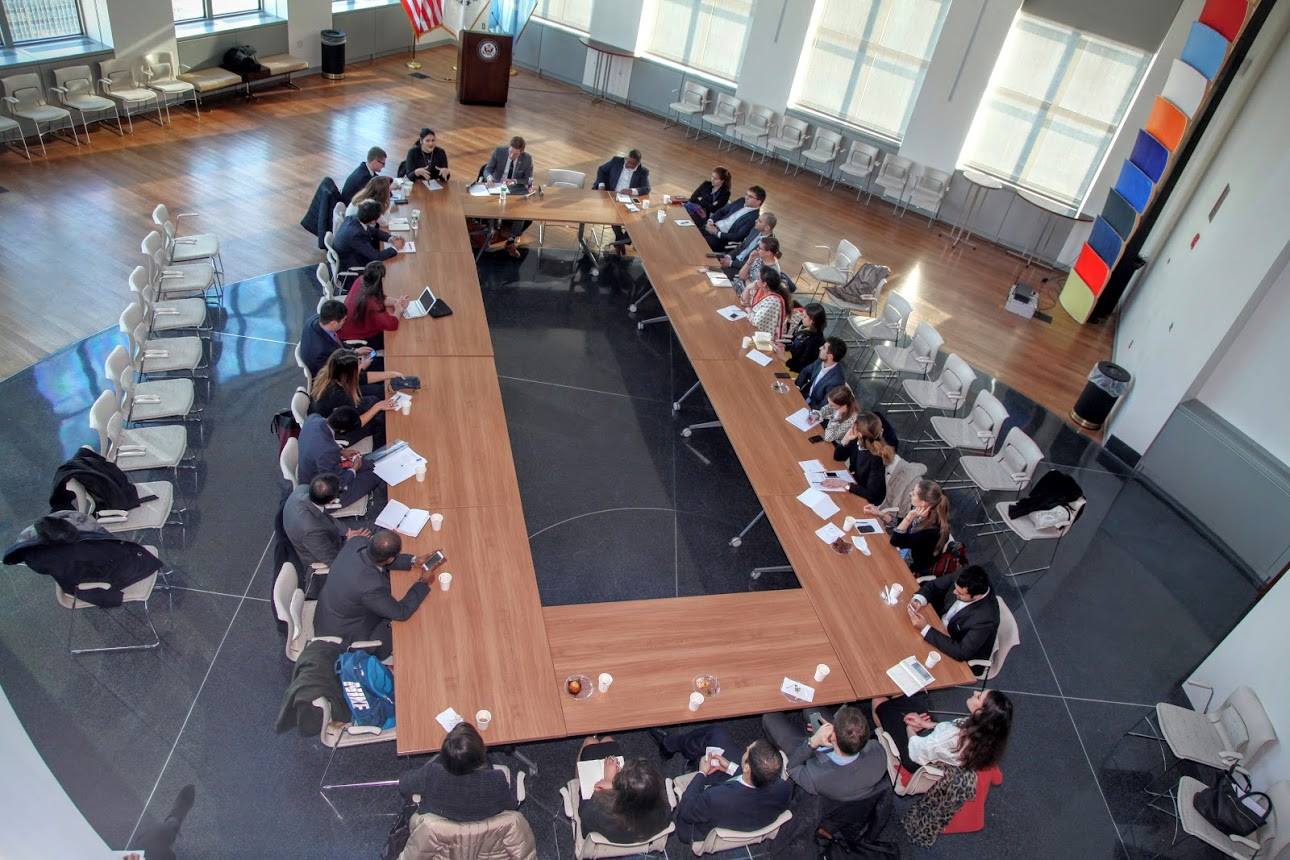
Another event we attended was the Breakfast Discussion on Countering Violent Extremism, organized by the US Permanent Mission to the UN. Organizations like World Bank, Search for Common Ground, United Network of Young Peacebuilders were represented at the roundtable. Why do young people become extremists? How to prevent them from joining terrorist networks? These were just some questions we looked at.
Takeaway message from the discussion: youth often join terrorist organizations because they do not feel heard and appreciated. The situation can be improved by including them in the decision-making process, empowering them to make positive changes in their communities and have their say.
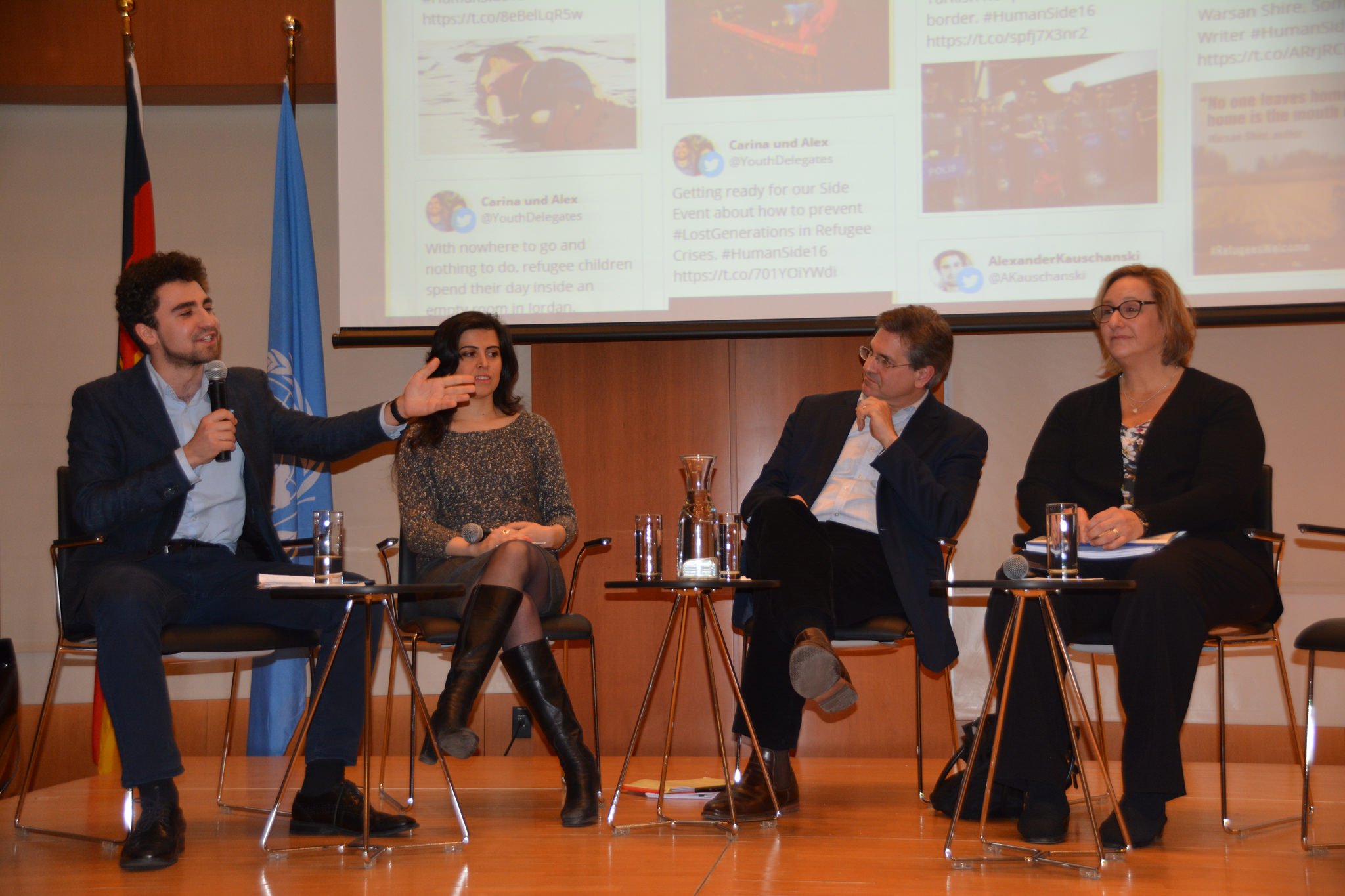
Finally, we enjoyed the side event by German youth delegates entitled “Lost Generations: Children and Youth in Refugee Crises”. Representatives of UNHCR and organizations who work with migrants and refugees spoke on the issue of the Syrian refugee crisis.
The discussion started out with a powerful quote by Warsan Shire, Somali poet: “No one leaves home unless their home is the mouth of a shark.”
How to make sure that young refugees are not marginalized, but included in local communities? How to ensure equal rights, access to education, employment, healthcare to people who fled their homes to survive? During the event, we tried to put ourselves in the refugees’ shoes and think of the ways to answer these questions.